Is Your Business Idea Actually Good? Here is How to Know for Sure (2026)
Is Your Business Idea Actually Good? Here is How to Know for Sure (2026)
Be honest with yourself for a moment.
Is your business idea actually good or does it just feel good?
There is a massive difference between the two. And most founders never stop to figure out which one they have.
They are too close to the idea. Too emotionally invested. Too excited to be objective.
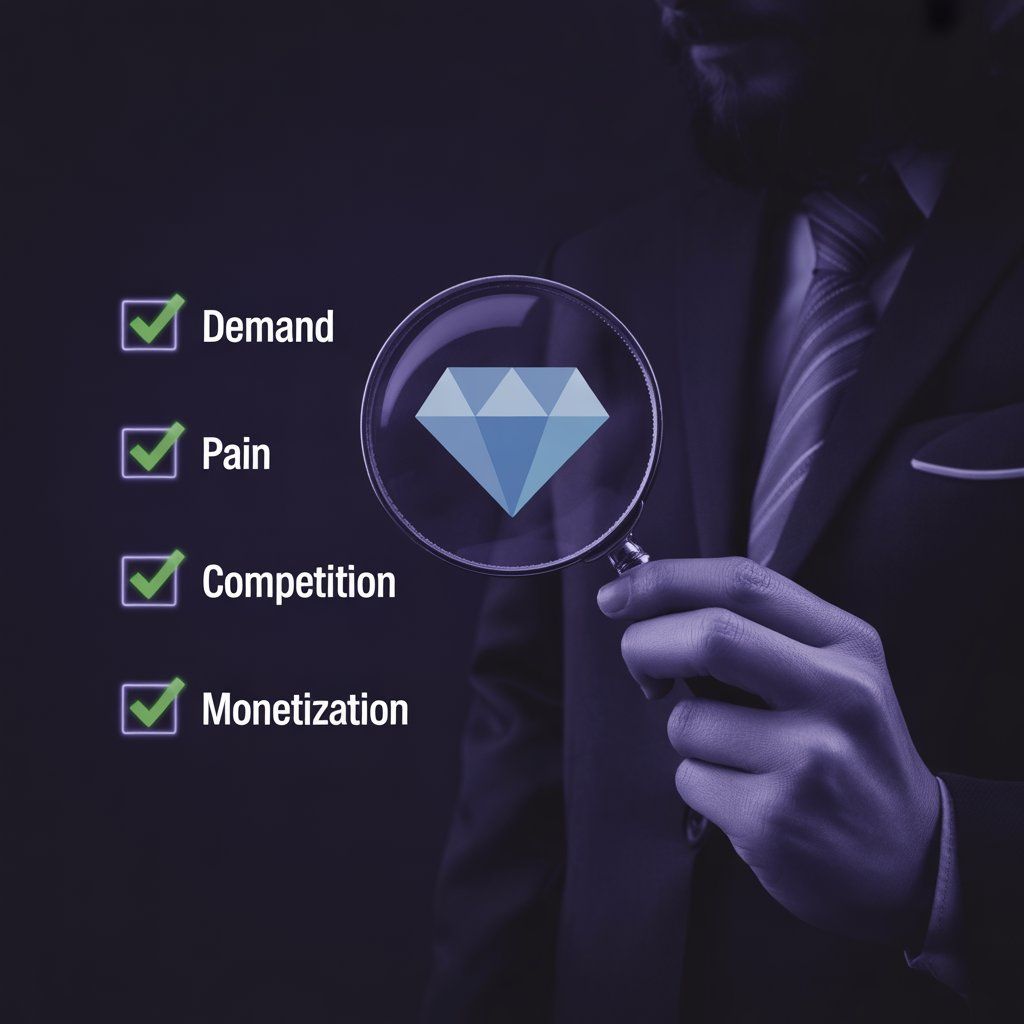
This article gives you a clear, honest framework to evaluate your business idea from the outside the same way an investor, a customer, or a skeptical co founder would.
Why Founders Are the Worst Judges of Their Own Ideas
You came up with your idea. You have been thinking about it for weeks. Every time you explain it to someone, they nod politely and say it sounds interesting.
But none of that tells you whether the idea is actually good.
Here is why founders consistently misjudge their own ideas:
- Confirmation bias: You notice information that supports your idea and ignore what contradicts it
- Social validation: Friends and family say yes to be supportive, not honest
- Sunk cost thinking: The more time you invest, the harder it is to see flaws
- Solution obsession: You fall in love with your solution before confirming the problem is real
The antidote is a structured framework that forces objectivity.
The 8 Point Business Idea Scorecard
Rate your idea honestly from 1 to 5 on each dimension. No rounding up. No giving yourself the benefit of the doubt.
1. Problem Clarity (1-5)
Can you describe the problem your idea solves in one sentence clearly enough that a stranger immediately understands it?
- 5: Crystal clear, universally understood problem
- 3: Clear to people in the industry but needs explanation for outsiders
- 1: You struggle to explain it without a long setup
Why it matters: If you cannot clearly articulate the problem, your customers cannot either which means they will never search for your solution.
2. Pain Intensity (1-5)
How painful is this problem for your target customer?
- 5: People lose money, time, or opportunity every day because of this problem
- 3: Annoying but people work around it without urgency
- 1: Minor inconvenience most people do not think about
Why it matters: Customers only pay for solutions to problems that are painful enough to act on. Mild problems produce mild demand.
3. Market Demand (1-5)
Are people actively searching for a solution to this problem right now?
- 5: High search volume, multiple keywords, growing trend on Google Trends
- 3: Some search volume but not a dominant trend
- 1: No evidence of active search demand
Why it matters: Demand you have to create from scratch is far harder and more expensive than demand that already exists.
4. Willingness to Pay (1-5)
Are people already spending money to solve this problem even imperfectly?
- 5: Multiple paid solutions exist and people actively use them
- 3: Some paid solutions exist but adoption is low
- 1: People expect this problem to be solved for free
Why it matters: The fastest path to revenue is targeting a problem people already pay to solve. Changing payment behavior is one of the hardest things in business.
5. Competition Level (1-5)
What does the competitive landscape look like?
- 5: A few competitors exist but none dominate, and reviews show frustrated customers
- 3: Moderate competition with one or two strong players
- 1: One dominant player owns the market with high customer satisfaction
Why it matters: Zero competition usually means no market. Too much competition with no differentiation means no path to winning.
6. Your Unique Advantage (1-5)
Do you have a specific reason why you are the right person or team to build this?
- 5: Deep industry expertise, unique data, proprietary technology, or unfair distribution advantage
- 3: Relevant experience but nothing competitors could not replicate
- 1: No clear advantage over anyone else who might build this
Why it matters: An advantage is not just about building it is about defending what you build once competitors notice you are winning.
7. Monetization Clarity (1-5)
How clear is the path from your product to revenue?
- 5: Obvious revenue model, clear price point, customers already pay for similar things
- 3: Revenue model exists but pricing and conversion are uncertain
- 1: No clear idea of how this becomes a real business
Why it matters: A product without a clear monetization path is a feature, not a company.
8. Timing (1-5)
Is now the right time for this idea to exist?
- 5: New technology, regulation, or behavior shift makes this possible or necessary right now
- 3: Good timing but no specific urgency
- 1: This idea was more relevant two years ago or is too early for the market
Why it matters: The right idea at the wrong time fails just as surely as the wrong idea. Timing is one of the most underrated factors in startup success.
Be ruthless. The purpose of this exercise is not to feel good it is to see clearly.
Get an Objective Score on Your Idea Right Now
The scorecard above gives you a framework. But it is still based on your own assessment which is always going to have some bias.
Idea Magnify gives you an objective, data driven grade on your business idea based on real market signals not your own judgment.
Enter your idea and instantly get market demand analysis, SWOT breakdown, TAM/SAM/SOM estimates, competitor landscape, monetization strategies, and an overall idea grade.
It is the fastest way to know objectively whether your idea is actually good.
Get Your Idea's Objective Score Now — Free →
Final Thoughts
Most founders never ask the hard question is my idea actually good?
They assume. They hope. They ask people who will not tell them the truth.
The founders who build successful startups are the ones who demand honest answers from the market, from data, and from themselves before committing everything to an idea.
Use the scorecard. Be ruthless. Find out the truth early when it is still cheap to change direction.
Your future self will thank you.
Stop guessing. Get an objective grade on your business idea with Idea Magnify free.