SWOT Analysis for Startups Complete Guide with Examples (2026)
SWOT Analysis for Startups Complete Guide with Examples (2026)
Before you launch your startup, you need to be brutally honest about one thing is your idea actually ready?
A SWOT analysis forces that honesty. It is one of the oldest and most powerful frameworks in business, and yet most founders either skip it or do it wrong.
This guide will show you exactly what SWOT is, how to do it properly for a startup, and what a real example looks like.
What Is a SWOT Analysis?
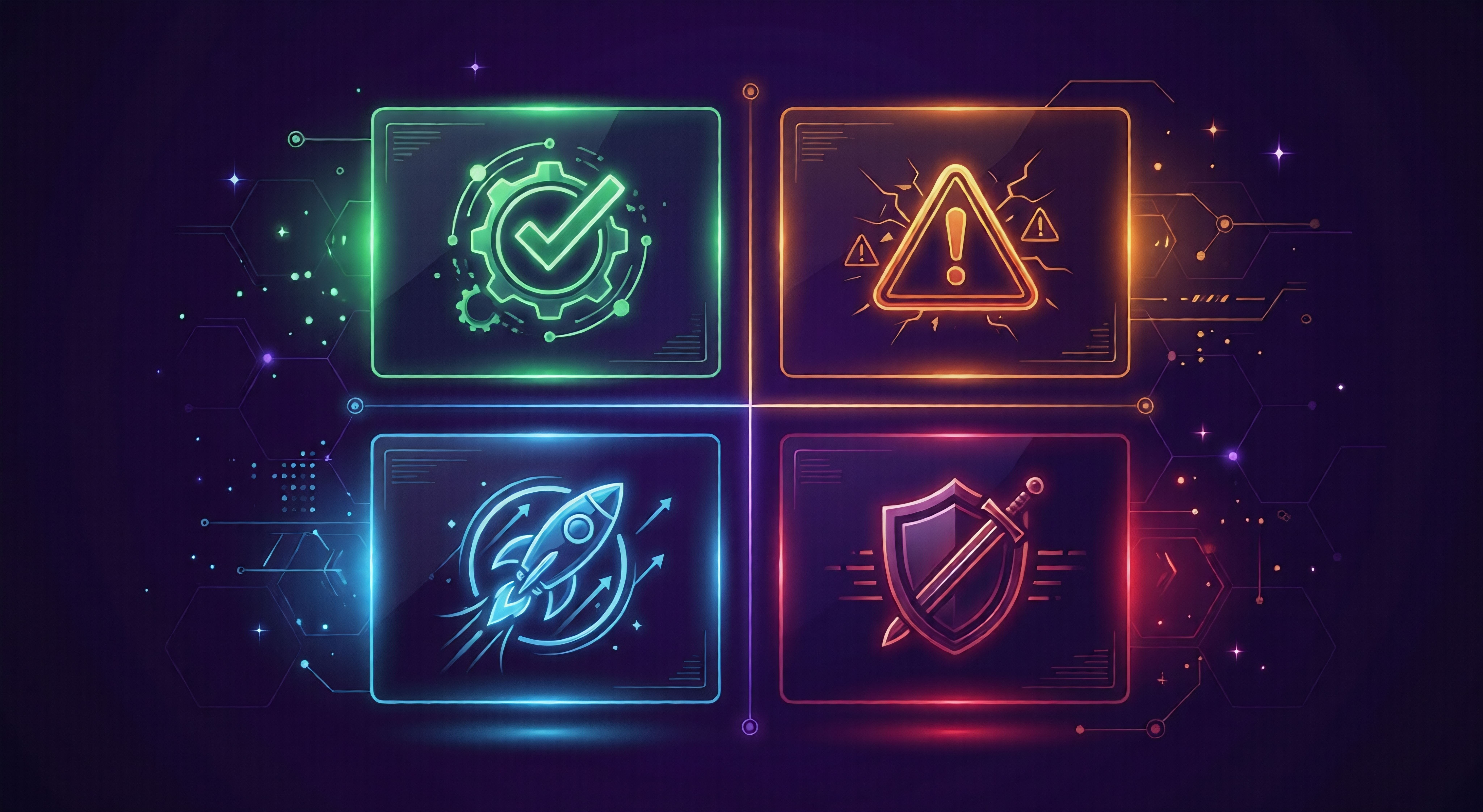
SWOT stands for Strengths, Weaknesses, Opportunities, and Threats.
It is a structured framework that helps you evaluate your business idea or startup from four different angles two internal and two external.
| Positive | Negative | |
|---|---|---|
| Internal Strengths Weaknesses | External Opportunities Threats | |
| Row 1 Col 1 | Row 1 Col 2 | Row 1 Col 3 |
The goal is not to feel good about your idea. The goal is to see it clearly.
Why Every Startup Needs a SWOT Analysis
Most founders are too close to their own idea. They see the strengths but ignore the weaknesses. They get excited about opportunities but underestimate the threats.
A SWOT analysis fixes this by forcing you to look at all four dimensions equally.
It helps you:
- Understand what makes your startup different
- Spot the gaps you need to fix before launch
- Identify market trends you can take advantage of
- Prepare for risks before they catch you off guard
The Four Parts of SWOT Explained
Strengths What You Do Better Than Anyone
Strengths are internal advantages your startup has right now.
Ask yourself:
- What does my startup do really well?
- What resources, skills, or advantages do I have?
- What do I have that competitors do not?
Examples for a startup:
- Unique technology or algorithm
- Low cost structure
- Strong founding team with relevant experience
- First mover advantage in a niche
Weaknesses: Where You Are Vulnerable
Weaknesses are internal limitations that could hold you back.
Ask yourself:
- Where does my startup fall short?
- What do competitors do better than me?
- What resources am I missing?
Examples for a startup:
- No brand recognition yet
- Limited funding
- Small team with skill gaps
- Product still in early stage
Being honest about weaknesses is not negativity — it is strategy.
Opportunities: What the Market Is Offering You
Opportunities are external factors you can take advantage of.
Ask yourself:
- What trends are working in my favor?
- Is there an underserved audience I can target?
- Are competitors leaving gaps in the market?
Examples for a startup:
- Growing demand for AI-powered tools
- Competitors with poor customer support
- A new regulation that creates demand for your solution
- A rising market segment nobody is targeting yet
Threats: What Could Hurt You
Threats are external risks outside your control.
Ask yourself:
- Who are my biggest competitors?
- What could make my product irrelevant?
- Are there economic, legal, or technology risks?
Examples for a startup:
- A large competitor entering your niche
- Rapid technology changes making your solution outdated
- Economic downturn reducing customer spending
- Regulatory changes affecting your industry
Real SWOT Example: Idea Validation Tool Startup
Let us say you are building a tool that helps entrepreneurs validate their business ideas. Here is what a SWOT might look like:
Positive:
- Internal:
Strengths: AI powered analysis, covers TAM/SWOT/competitors in one place, easy to use for non-technical founders
- External:
Opportunities: Rising number of first time entrepreneurs globally, no dominant all-in-one idea validation tool exists, growing interest in AI tools
Negative:
- Internal:
Weaknesses: New brand with no reputation yet, limited marketing budget, small team
- External:
Threats: Big platforms like ChatGPT offering partial validation for free, potential copycats, market education required
This kind of honest analysis helps you know exactly where to focus first.
How to Do a SWOT Analysis Step by Step
Step 1: Gather Your Team
Even if you are a solo founder, talk to at least two or three people who can give you honest feedback. Blind spots are real.
Step 2: Fill Each Quadrant Honestly
Do not rush. Spend time on each quadrant. Write down everything that comes to mind first, then filter.
Step 3: Prioritize the Most Important Points
Not all strengths are equal. Not all threats are dangerous. Rank each point by impact.
Step 4: Turn Insights Into Action
A SWOT is useless if it just sits in a document. Use it to:
- Double down on your top strengths
- Fix your most critical weaknesses
- Create a plan to capture key opportunities
- Build defenses against your biggest threats
Step 5: Revisit Every Quarter
Your SWOT changes as your startup grows. Update it regularly.
Common SWOT Mistakes Founders Make
- Being too vague: "Good product" is not a strength. "40% faster than competitors at half the price" is.
- Listing too many points: Focus on the top 3 to 5 in each quadrant
- Ignoring threats: Founders often skip this quadrant because it is uncomfortable
- Never acting on it: A SWOT with no follow-up action is a wasted exercise
Get Your SWOT Analysis Done Instantly
Doing a thorough SWOT manually takes time and research. Idea Magnify generates a complete SWOT analysis for your startup idea automatically.
Just enter your idea, describe the problem it solves, and get your full SWOT along with market demand, TAM/SAM/SOM, competitor analysis, monetization strategies, and an idea grade.
Final Thoughts
A SWOT analysis is not about being pessimistic. It is about being prepared.
The founders who build lasting startups are not the ones with the best ideas they are the ones who understood their position clearly and executed with that knowledge.
Do your SWOT. Be honest. Then build.
Ready to see your startup's full picture? Idea Magnify generates your SWOT in seconds.