Vibe Coding: How Founders Are Building Startups With AI in 2026
Vibe Coding: How Founders Are Building Startups With AI in 2026
Something completely new is happening in the startup world.
Founders with zero coding experience are shipping real products. Solo entrepreneurs are building full SaaS tools in weekends. Non-technical people are going from idea to live product in days not months.
It has a name now. People are calling it vibe coding.
And it is changing everything about how startups get built.
What Is Vibe Coding?
Vibe coding is a term coined by AI researcher Andrej Karpathy to describe a new way of building software where you describe what you want in plain English and AI writes the code for you.
Instead of learning programming languages, syntax, and frameworks you just explain your idea. The AI builds it. You review, refine, and ship.
The "vibe" part is intentional. You are not engineering. You are directing. You bring the vision, the product sense, and the user empathy. The AI brings the technical execution.
It sounds too good to be true. For a lot of founders in 2026, it is very real.
Why Vibe Coding Is a Massive Deal for Founders
For decades, having a technical co-founder was considered non negotiable for building a software startup.
If you could not code or did not know someone who could your options were:
- Spend $50,000 to $200,000 hiring a development agency
- Give up 30 to 50% equity to attract a technical co-founder
- Spend 2 years learning to code before building your idea
- Watch your idea sit in a notebook forever
Vibe coding changes this completely.
A founder with a great idea, strong product instincts, and the right AI tools can now:
- Build a working MVP in days
- Iterate based on user feedback in hours
- Ship features that used to take a developer weeks
- Launch a real product with zero technical background
The barrier between idea and product has never been lower.
The Vibe Coding Workflow Step by Step
Step 1: Start With a Validated Idea
Before writing a single prompt validate that your idea is worth building.
The biggest mistake vibe coders make is jumping straight into building without checking whether anyone actually wants what they are making. Speed is the superpower of vibe coding. Wasting that speed on the wrong idea is the biggest risk.
Validate first. Build second.
Step 2: Describe Your Product Clearly
Write a clear product description before opening any AI tool. Include:
- What the product does
- Who it is for
- The core features for the MVP
- What problem it solves and how
The better your description, the better the AI output. Vague input produces vague products.
Step 3: Choose Your AI Building Tool
Different tools work best for different types of products:
For full web apps and SaaS:
- Lovable: Describe your app in plain English, get a fully functional React app
- Bolt.new: Fast, powerful web app builder with AI
- Cursor: AI-powered code editor for founders who want more control
For landing pages and websites:
- Framer: AI-generated professional websites in minutes
- v0 by Vercel: Generate UI components from text descriptions
For automations and workflows:
- Make: Visual automation builder powered by AI
- Zapier: Connect tools and automate without code
For mobile apps:
- Glide: Turn a spreadsheet into a mobile app instantly
- Adalo: Build native mobile apps without coding
Step 4: Prompt, Review, Iterate
This is the core of vibe coding. You are not writing code you are having a conversation with an AI about what to build.
Good vibe coding prompts look like:
- "Build a dashboard where users can input their business idea and see a market size estimate"
- "Add a pricing page with three tiers Free, Standard at $19/month, and Pro at $49/month"
- "When a user submits the form, send them a welcome email with their analysis results"
- "Make the mobile version of this page look cleaner the buttons are too small on iPhone"
Be specific. Describe the outcome you want, not the technical steps to get there.
Step 5: Test With Real Users Fast
Ship early. Get real users on it within days of starting. Real user feedback is worth more than any amount of self-testing.
Vibe coding gives you speed. Use that speed to learn faster than any traditionally built startup can.
Step 6: Iterate Based on Feedback
When users tell you something is confusing, broken, or missing fix it immediately. In traditional development, a feature request might take weeks. With vibe coding, it can take minutes.
This speed of iteration is the real competitive advantage.
What Vibe Coding Is Not
Let us be honest about the limitations because the hype can lead founders into traps.
Vibe coding is not:
- A replacement for engineering at scale: AI-generated code can become messy and hard to maintain as products grow
- Perfect: AI makes mistakes, builds things wrong, and sometimes creates security vulnerabilities
- Free from technical debt: the faster you build, the more cleanup you may need later
- Suitable for every product: complex fintech, healthcare, or infrastructure products still need serious engineers
Vibe coding is best for:
- MVPs and early stage validation
- Simple SaaS tools and web apps
- Landing pages and marketing sites
- Internal tools and automations
- Prototypes to show investors or early customers
Real Founders Using Vibe Coding Right Now
Across Twitter, Product Hunt, and Indie Hackers founders are sharing stories of:
- Solo founders building and launching SaaS products in 48-hour weekend sprints
- Non technical entrepreneurs going from idea to paying customers in under two weeks
- Bootstrapped founders building tools that previously would have required a $50,000 development budget
This is not theoretical. It is happening right now and the founders doing it are gaining a massive speed advantage over traditionally-built competitors.
The Vibe Coder Mindset
Vibe coding is not just a set of tools. It is a mindset shift.
Old mindset: I need to learn to code or find someone who can before I can build my idea.
Vibe coding mindset: I can start building right now. I will figure out the technical details as I go, with AI as my co-builder.
This shift removes the single biggest bottleneck between most founders and their first product.
You do not need to be a developer. You need to be a clear thinker with a real problem to solve and the persistence to keep iterating until it works.
The Most Important Step Before You Start Vibe Coding
Here is the trap most vibe coders fall into.
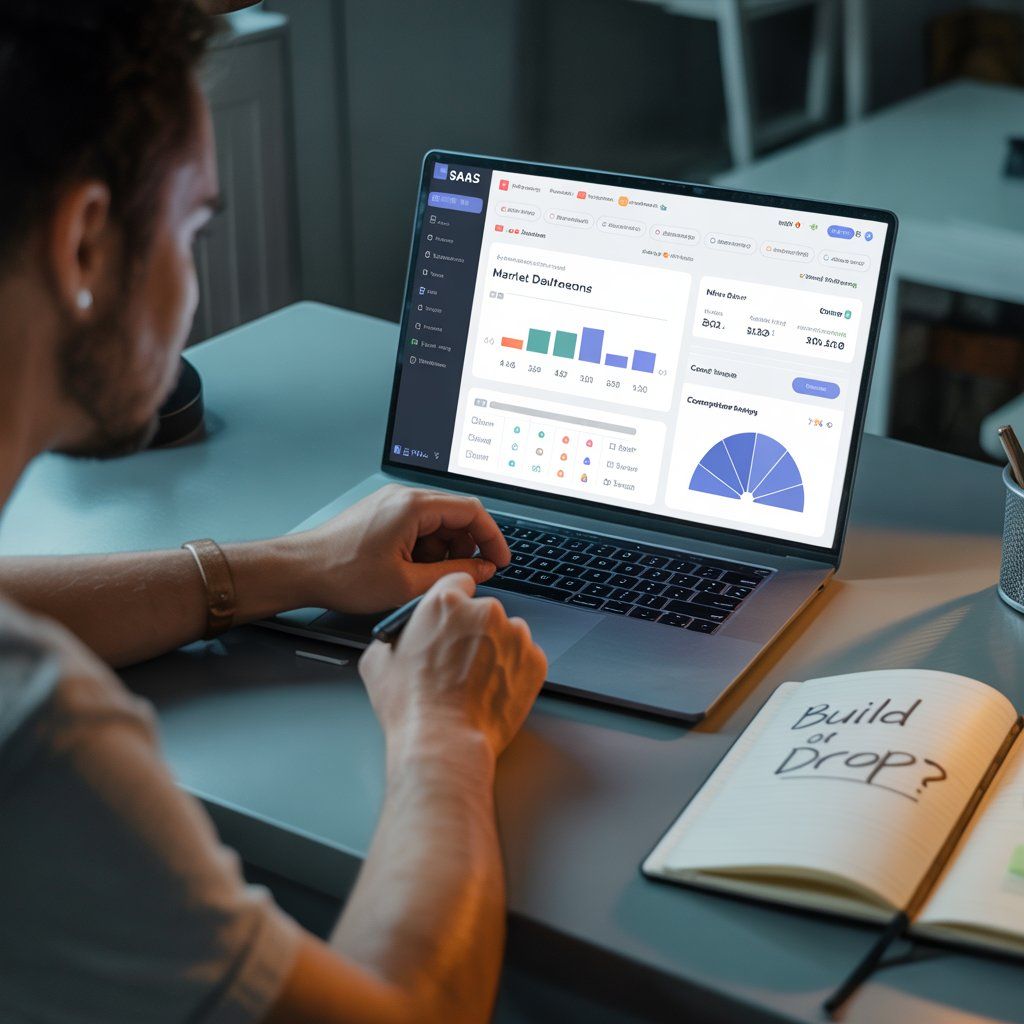
They get excited about the tools. They open Lovable or Bolt and start building immediately. Three days later they have a working product and then discover nobody wants it.
The speed of vibe coding makes this mistake more expensive, not less. You can waste a week of intense building on a fundamentally unvalidated idea.
Validate before you vibe code.
Idea Magnify validates your startup idea in minutes giving you market demand analysis, SWOT breakdown, TAM/SAM/SOM, competitor landscape, monetization strategies, and an idea grade.
Do this first. Then open your AI building tool and build with confidence.
Validate Your Idea Before You Build →
Final Thoughts
Vibe coding is not a gimmick. It is a genuine shift in how software gets built and it is putting the power to create products in the hands of founders who would never have called themselves builders before.
The tools are real. The products being built are real. The revenue being generated is real.
But the founders winning with vibe coding are not just the fastest builders. They are the ones who validate their ideas first then use AI speed to get to market before anyone else.
Validate. Then vibe. Then ship.
Before you start vibe coding make sure your idea is worth building. Validate it free at Idea Magnify.